Build Your
Own Pup
A hands-on, guided path from puppy selection to a fully developed protection dog, raised by your family, shaped by our involvement every step of the way.
The Build Your Own Pup program is built for families who want to be part of their protection dog’s development from the very beginning. Rather than delivering a finished dog, we carefully select the right puppy for your family, based on your wants, needs, and breed preference, and stay personally involved as your family raises that pup into a confident, well-mannered, and capable protector.
This isn’t a hands-off puppy sale. We remain engaged at every stage: selection, evaluation, obedience, and protection development, stepping in with hands-on guidance whenever it’s needed, for the life of the dog.
From Puppy Selection
to Protection Work
How the Puppy Program
Works, Step by Step
We start by learning your family’s wants and needs, including lifestyle, experience, household, and breed preference, so we know exactly what puppy to look for on your behalf.
We personally select a puppy that fits your criteria, drawing on proven bloodlines and health-tested lines suited to serious family protection work.
Before the puppy ever comes home to you, we evaluate it ourselves, including temperament, nerve, and drive, to confirm it’s the right match for your family.
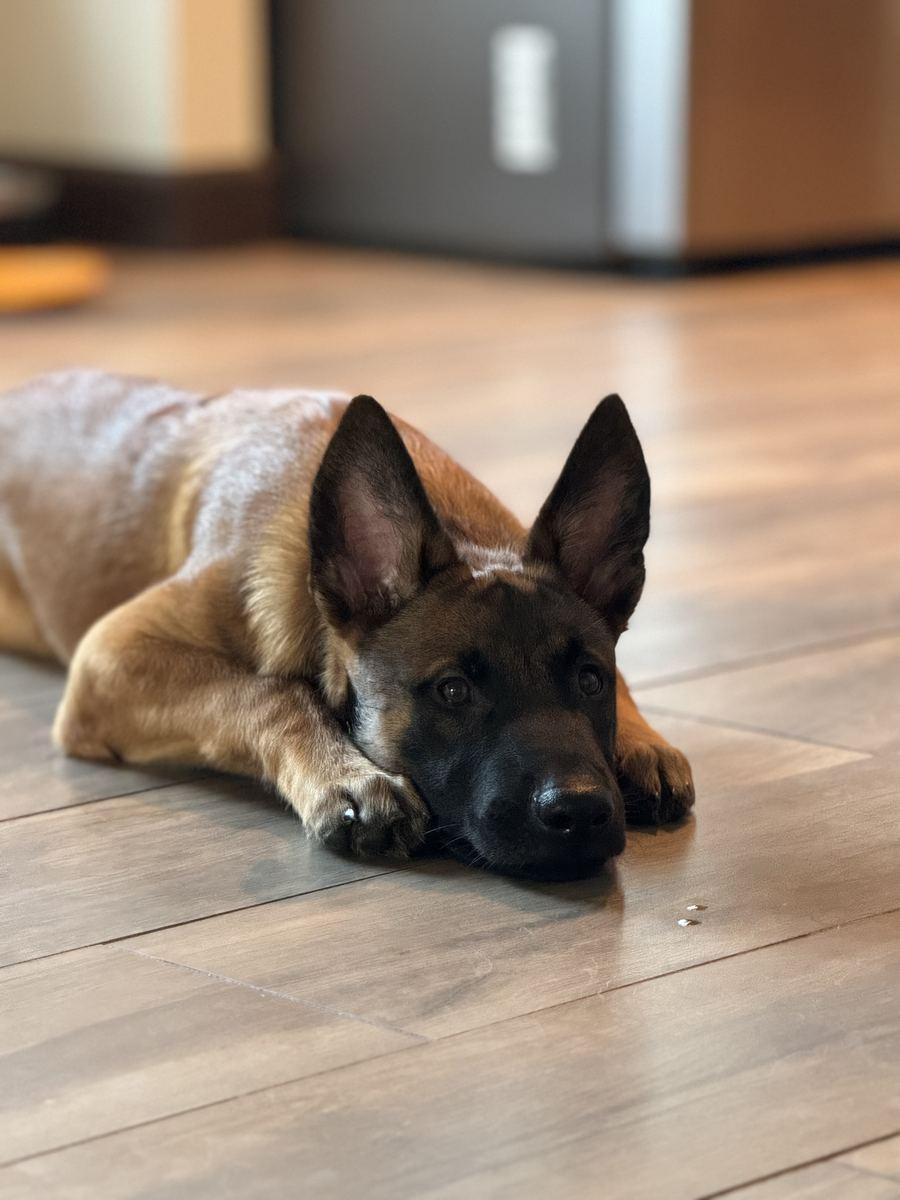
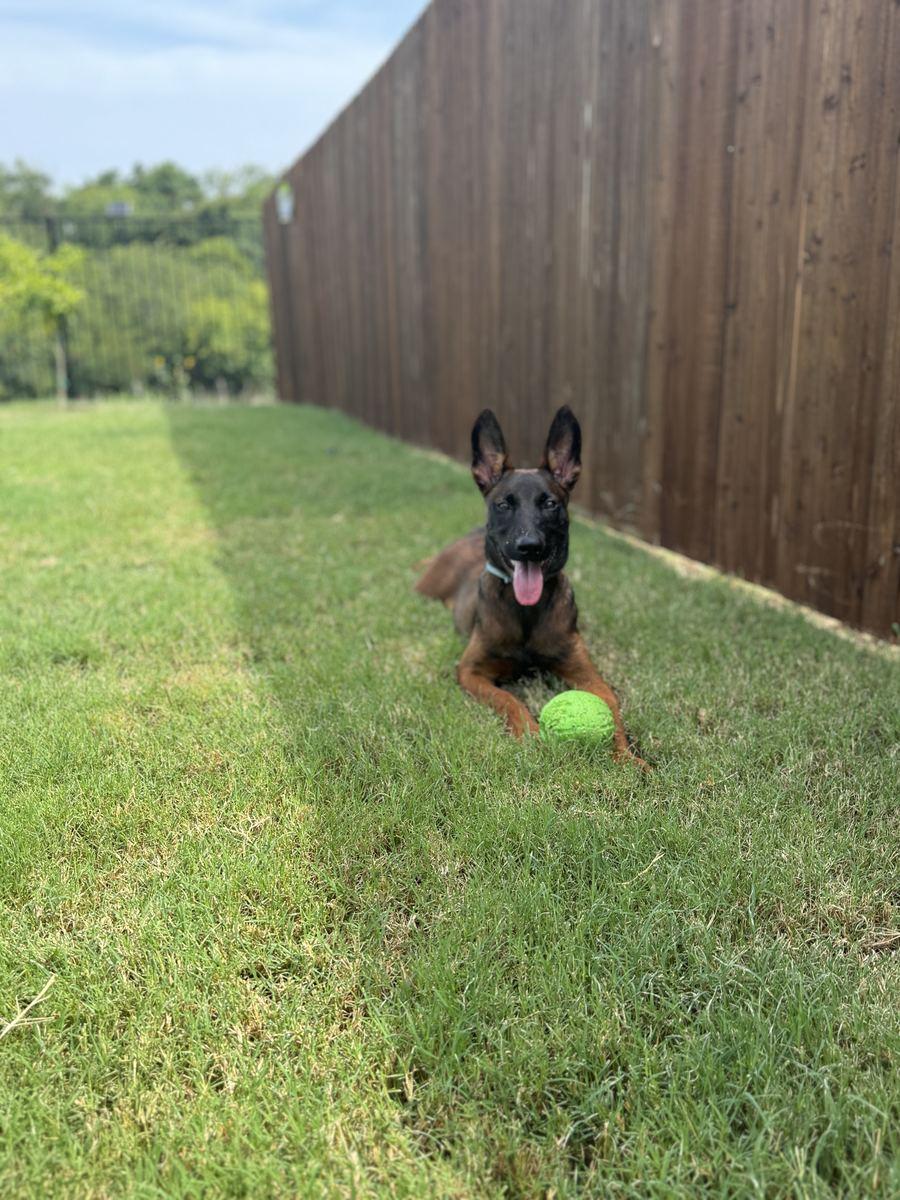
Your family raises the pup at home from day one, with our direct guidance through socialization, foundational manners, and early development milestones.
As your pup matures, we guide your family through structured on- and off-leash obedience, staying hands-on with the dog directly whenever it’s needed.
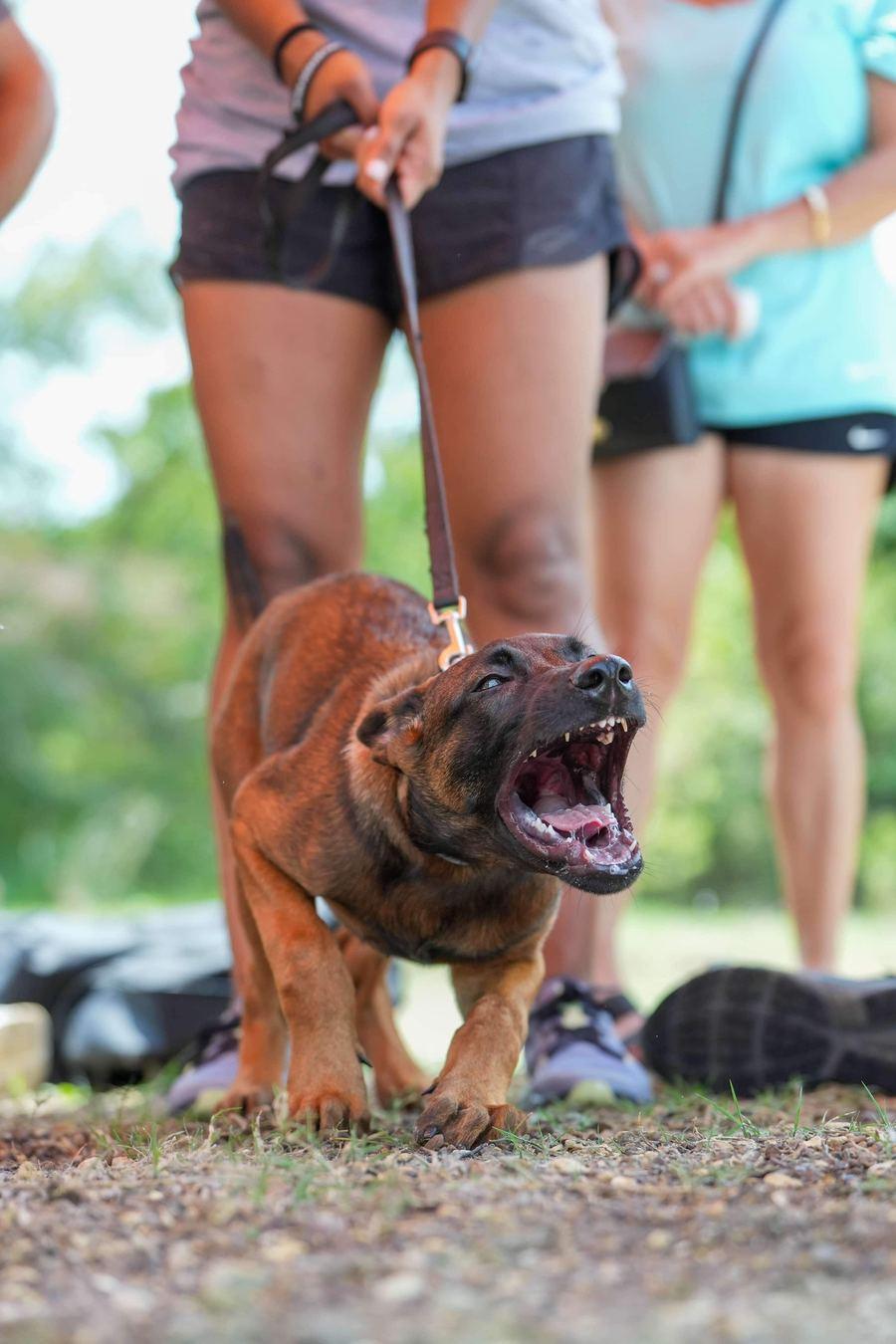
When the dog is ready, we guide age-appropriate protection development and remain personally involved throughout your dog’s life, not just through puppyhood.
What Raising Your Own Protection Dog Asks of You
Build Your Own Pup puts the daily work of raising a protection dog inside your house rather than ours. We choose the puppy, we evaluate it before it ever comes home to you, and we stay involved through obedience and protection development — but the dog lives with your family from the first day, and the hours that shape it are yours. That is the trade sitting at the center of this program, and it is better said plainly here than discovered in month four.
The work itself is undramatic. It is ordinary life run as training rather than as habit: a young dog learning to wait for its food, to hold still while a busy house moves around it, and to treat calm as the default setting rather than the exception. Held to daily, that is the structure a young dog grows up inside. Let it slide and the same routine teaches an adolescent that your rules are negotiable.
A finished adult needs maintenance too, so none of that is unique to a puppy. What is different here is that the foundation gets laid in your living room instead of arriving complete. What the first ninety days ask of a household is the closest written account of that daily structure on this site, and what the published evidence says about the years between eight weeks and a working adult covers the developmental stages, the health screens and the washout rates from outside any one company’s sales page. The level 1, 2 and 3 shorthand explains why the numbers other sellers attach to a finished dog do not mean what they look like they mean.
Which of the three breeds you raise changes what those hours feel like. The Belgian Malinois, the Dutch Shepherd and the German Shepherd each have a page written around what the drive costs you, the home the breed fits, and where it goes wrong — and the three compared against each other is the more useful read while you are still deciding. One thing worth carrying into that decision: which of the three suits you matters far less than which individual dog does.
Protection Dog Puppy or Finished Dog
Build Your Own Pup and a finished dog solve different problems, and a family that could choose either should know what each one buys.
A fully trained protection dog is a known quantity. It spends four to sixteen weeks in training with us, and it is placed ideally between eighteen months and four years old — late enough that the adult standing in front of you is the adult you keep. Its temperament is tested by hand well before any placement: out in public around strangers and children, then living inside one of our own homes. It arrives with a physical exam, bloodwork and hip X-rays behind it. You are buying character that has already been demonstrated.
A puppy cannot offer you that, and no honest program will pretend otherwise. Evaluating temperament, nerve and drive tells us what is in front of us; it does not erase the fact that a young dog still has its development ahead of it, or that a real share of that development happens on your side of the front door. What you get in return is the part nobody can sell you afterwards: the dog grows up inside your household, learning your family as ordinary life rather than adapting to it as an adult.
What buying a finished protection dog involves is written out end to end. Our pricing page sets out what finished dogs sell for across this market with every figure credited to whoever published it — those are other people’s published numbers, not a quote for this program.
What Is Included in
the Puppy Program
Your breed preference, experience level, and household are factored into every puppy we select on your behalf.
Every puppy is personally evaluated in our hands before placement, temperament, nerve, and drive included.
Your family raises the pup at home, with our direct guidance through every developmental stage.
On- and off-leash obedience is built in under our guidance, with hands-on involvement whenever it’s needed.
Protection work is introduced at the right stage for your dog, never rushed, always guided.
Our involvement doesn’t end at a milestone. We stay hands-on and available throughout your dog’s life.
Why a Puppy Program Takes Longer
Build Your Own Pup is the slower of the two routes on purpose. A protection dog raised by your family takes as long as growing up takes, and nothing about that compresses to suit a schedule.
How long that takes depends on the puppy and on the household raising it, which is why the honest version of this answer happens on a call rather than on a page. Protection work begins when the dog is developmentally ready, and readiness is a judgment about a particular dog rather than a date on a calendar.
None of that is an excuse to be vague with you personally. If there is a date you have to hit — a move, a deployment, a situation already underway — put it on the table during the first call and you will hear plainly whether this program can meet it. Sometimes the honest answer to a hard deadline is the finished-dog route instead, and that is better said in the first ten minutes than four months from now.
Both halves of that conversation — the questions a serious program should be asking you, and the ones you should be asking back — are set out in what happens on the first call.
Who Should Not Start With a Puppy
Some households should buy a finished protection dog instead of raising one, and some should not take on a working dog at all. Both are ordinary outcomes of a first conversation here rather than failures of one.
Do not choose this program if what sent you looking is a threat that exists right now. A puppy is no answer to this month’s problem, and anyone willing to sell you one as though it were is selling you a feeling.
Do not choose it if nobody in the house has said out loud that they will be the handler. A young dog decides who its person is by watching who feeds it, works it, and holds the line on the rules — and it will decide that with or without your input.
Do not choose it if the daily work reads as a burden while you are sitting here considering it. It does not get lighter once there is a real dog attached to it. And do not choose it if what you want is to be handed a dog and left alone. This program is built on our staying involved — in the selection, in the obedience, in the protection work — for the life of the dog.
The full case, cheaper alternatives included, is our own argument against buying a protection dog. A reader it turns away is a reader it served.
Who Is Guiding You, and How to Check
A guided puppy program is worth whatever the guidance is worth, and that is the hardest thing to judge from a website. So here is the part you can check without us.
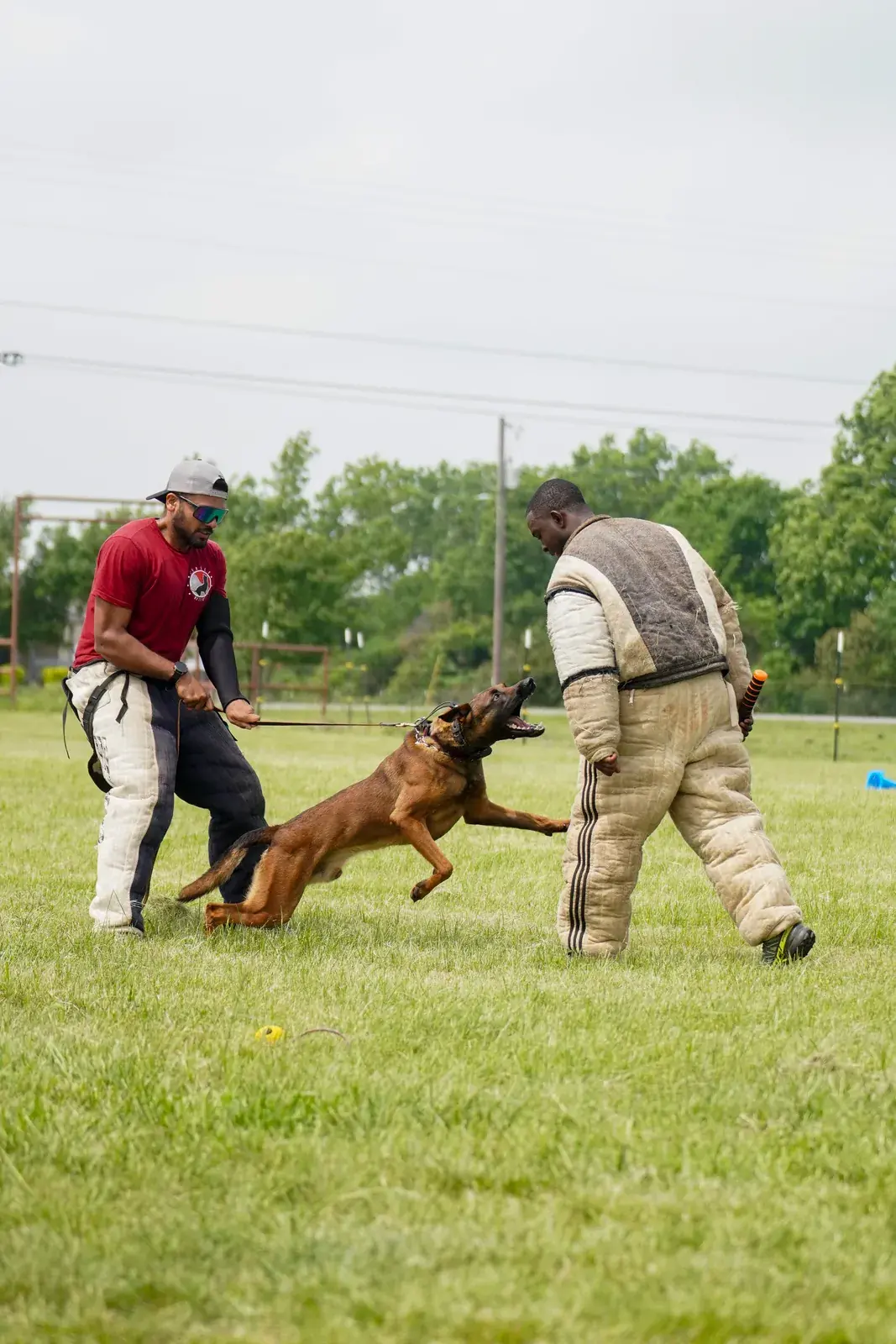
Both owners work as decoys, which means being the person in the suit when a serious dog comes in. PSA publishes a schedule for its sanctioned trials and names the decoys working them, and both owners appear on it: Sufian Rahim and David Parrish, with the club, the city and the dates. It is not a title and it certifies nothing about any dog. It is simply a public listing we did not write and cannot edit. Which trials, and where.
Why that matters here: the same people doing the evaluating are the people who take the bite. What trial work does and does not prove is a separate argument, written from the same seat — what a sport title does and does not certify. Whoever else you are considering, find the one claim of theirs you can check without their help. If there is not one, you are taking everything on trust.
Ready to Build
Your Own Pup?
Tell us about your family, your experience, and your breed preference, and we’ll begin the search for the right puppy together.
Ask About This Program