Protection Dogs
For Sale in Texas
Two things are for sale here: a dog whose training is finished before you meet it, and a puppy you raise into one with us in the work beside you. This page is the purchase written out — what the money buys, what it does not, how the buying runs from the first call to the day the dog is standing in your kitchen, and what to ask any seller before money moves. There is no price on this page, and the reason is set out below. We sell out of North Texas, and delivery is not limited to Texas.
The Two Things You Can Buy
The first is a finished dog. Everything that makes it one — the obedience, the temperament testing, the protection work — is behind it before you take delivery, and so is the match to your family. The standard a dog has to clear before it is offered that way is written out in full, along with how long that takes, the age a dog is placed at, and what the veterinary screening covers. The level one, level two, level three shorthand the industry sells against gets a page of its own, because no organization issues those levels and every company writes its own ladder.
The second is Build Your Own Pup. We handpick a puppy against your breed preference and your household needs, evaluate it ourselves before it ever comes home to you, then stay hands-on while your family raises it — obedience, structure, and eventually protection development. It is slower than buying a dog that is already finished. The bond and the result are different. The stages run in order here.
What the Purchase Covers, and What It Does Not
If you buy a finished dog from us, the purchase is the dog, its training, temperament and household testing, personal delivery, in-home instruction, written health and satisfaction guarantees, and support afterwards. That is what the quote covers.
Outside it: food and vet care, both routine and emergency. Insurance. Crates and equipment. Boarding when you travel. Any further training you decide later that you want. Read that second list twice. It is the one that keeps costing money long after the invoice is settled, and it is the reason this purchase is larger than the number attached to the dog. Boarding is the easiest of them to overlook, because it costs nothing at all until the week you leave.
Malinois, Dutch Shepherd, German Shepherd
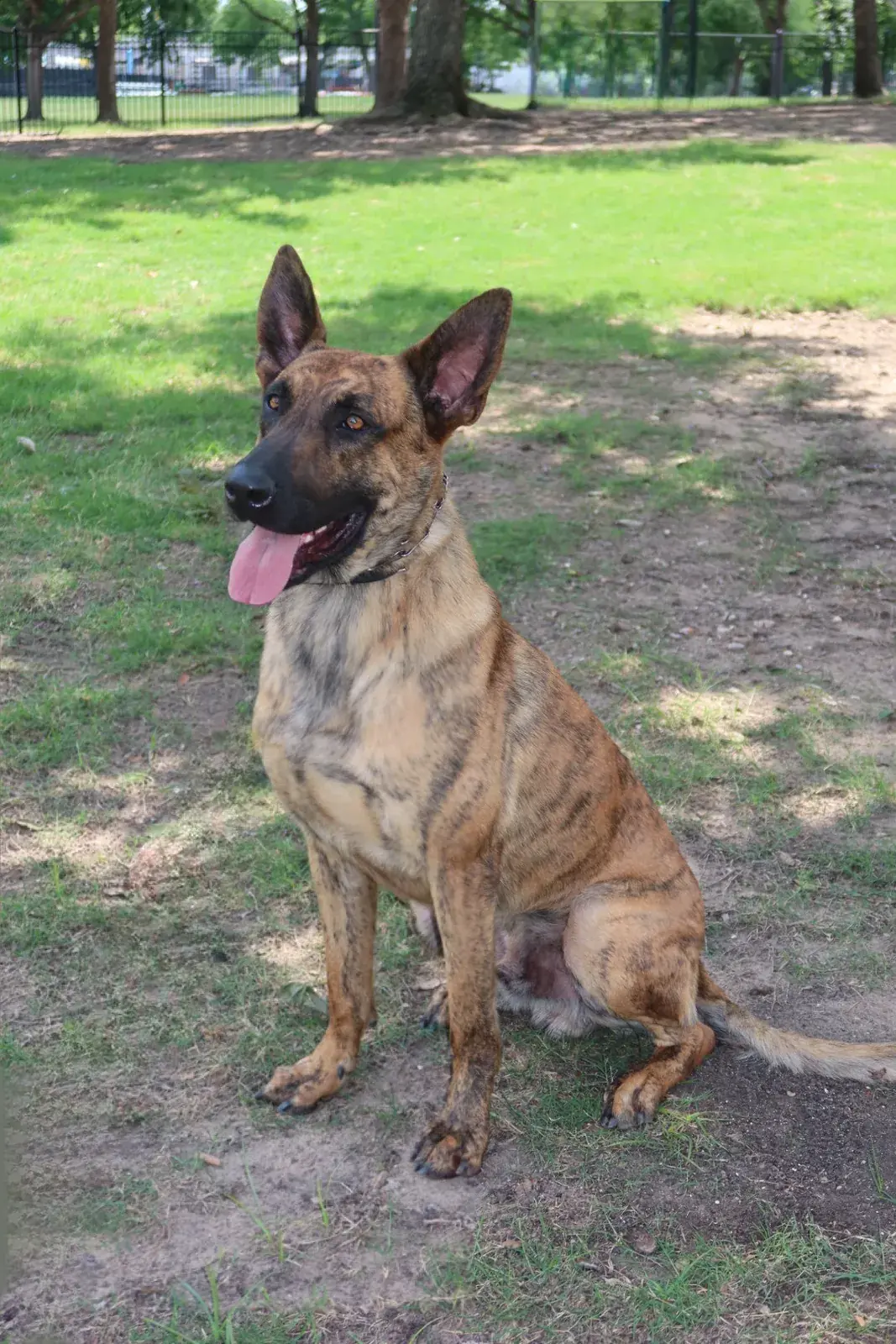
We work with three breeds — Belgian Malinois, Dutch Shepherd and German Shepherd — health-tested, and chosen for family-first temperaments. Each breed page describes the dog as it lives in a house rather than as it looks on a demo field. A stated preference carries the most weight at the front of Build Your Own Pup, because the puppy is selected against that preference and your household needs together. Before you settle on one, read the three side by side, because what matters more than breed is the individual dog.
The Four Steps, in Order
Step one is a private consultation. We ask about your household, your lifestyle and what you actually want the dog to do, and the point of the conversation is to work out whether the two of us are a fit for each other. Read the direction of that sentence. It is a test in both directions, and a call that ends in “not this, not now” is a working outcome rather than a failed sale. What gets asked on that call, from both sides is written out in full so you can arrive with your answers ready.
Step two is selection and matching, and the criterion is fit. The dog we put in front of you is the one suited to your household and your experience — not the one that is convenient, and not the one a seller would find easiest to move. That is the sentence to hold us to, and the one worth asking any other seller to say out loud.
Step three is delivery, in your home. We bring the dog to you, introduce it to your family, and give hands-on instruction on your own floor from day one, so the first handling session happens in the rooms the dog is going to live in. We work out of North Texas, cover Dallas–Fort Worth directly, and deliver nationwide.
Step four is support for the life of the dog: guidance when something comes up, refresher training when the work needs sharpening, and people who stay reachable. Training drifts when nobody maintains it. That step exists because the work does not hold itself up.
The Price Comes From a Call, Not a Page
There is one number, it is made for one dog, and it is made on a call once we know what your household actually needs. A figure printed on a page with no particular dog behind it tells you nothing. Where a published figure does exist, the thing to watch is what happens to it after a deposit clears, and that pattern is catalogued in the red-flags guide.
Refusing to publish our own number is not the same as refusing to discuss money, and you should not have to weigh this decision blind. What the wider market charges for a protection dog is set out on its own page, tier by tier, with every figure credited to the company or the journalist who published it. None of those numbers are ours. They are there so you can walk into any call — with us or with anybody else — knowing roughly what this costs in the real world.
One thing to watch while you do it. A seller who names a price before asking anything about your household is pricing a product. Matching a dog to a family cannot be done off a price list.
How to Check Any Seller, Including Us
Most of what a protection dog seller tells you is unverifiable by design. The dog looks impressive on video, the credentials sound official, and the deposit is due before you can check any of it. Three things help.
First, watch the dog work, and know what you are looking at. How to read a protection dog demo covers what a good decoy can hide, the changes worth asking for on the day, and which alarming-looking things are not faults at all.
Second, learn the specific ways this purchase goes wrong. Deposits, recycled footage, and titles nobody issues is the failure catalogue, including how to reverse-search a video and verify a real title yourself without the seller’s help.
Third, ask for one claim you can check without the seller in the room. Ours is this: Sufian Rahim and David Parrish are both listed as decoys on PSA’s own published trial schedule — club, city, dates. It certifies no dog and it is not a title; it means we are listed as the decoys working those trials, the person in the suit rather than a rank. We did not write that listing and we cannot edit it, and you can read it without asking our permission. The entries are on our about page, and PSA’s schedule is public.
Ask every seller you speak to for their equivalent. The answer, or the absence of one, tells you a great deal.
What Happens Once the Dog Is in the House
The day the dog arrives is the beginning of the work, not the end of it. The session on day one is your family learning to handle the dog, and refresher training and guidance stay available for the rest of its life. What the early months actually ask of you is written out in order, from the first week through to the maintenance that never ends.
Some households should not buy one of these dogs at all, and the likeliest reason is that nobody in the house has agreed out loud to be the handler. The argument against buying one is on this site too, cheaper answers included.